Turtuvshin Byambaa
Software architect · Open-source maintainer · Ulaanbaatar, Mongolia
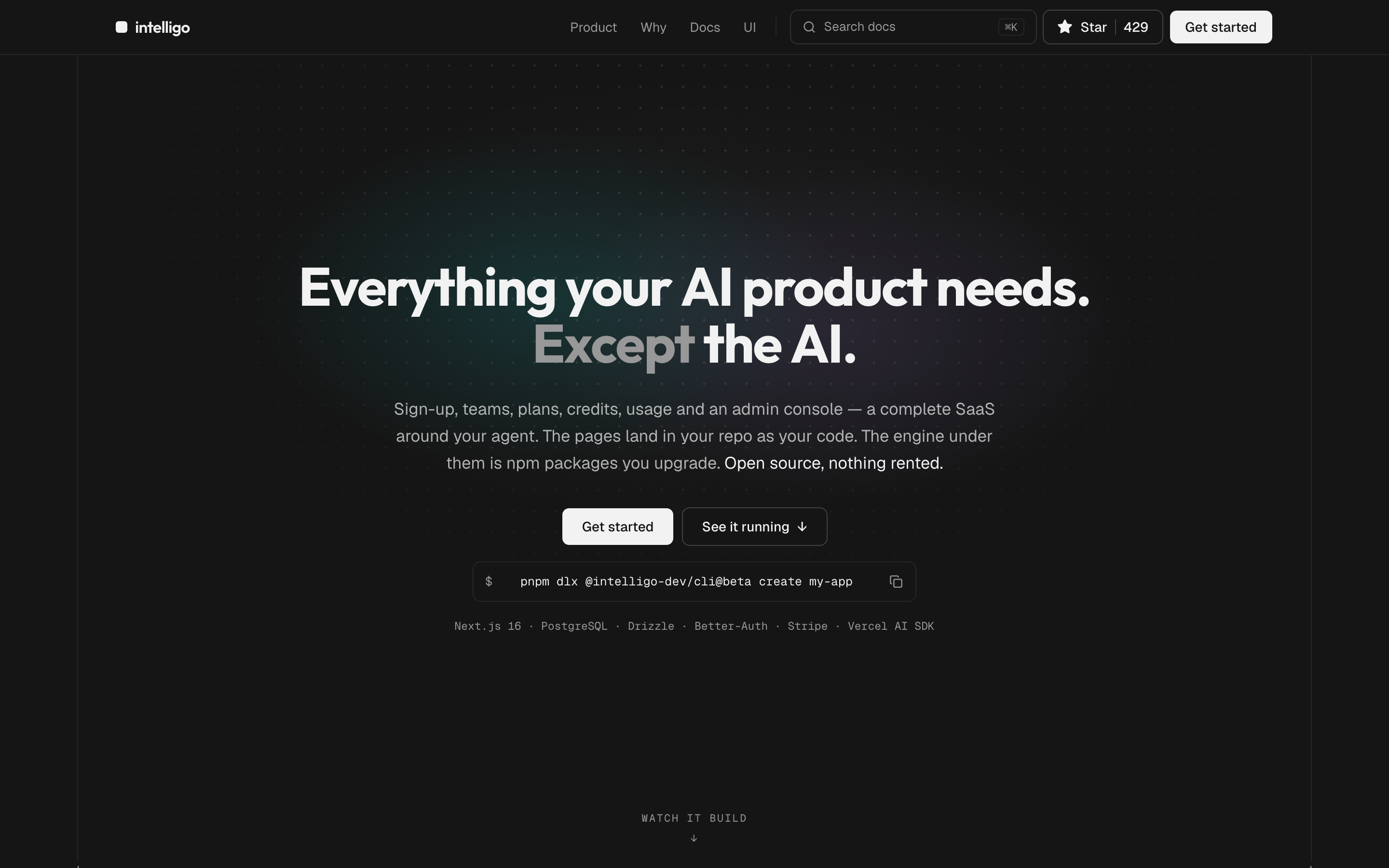
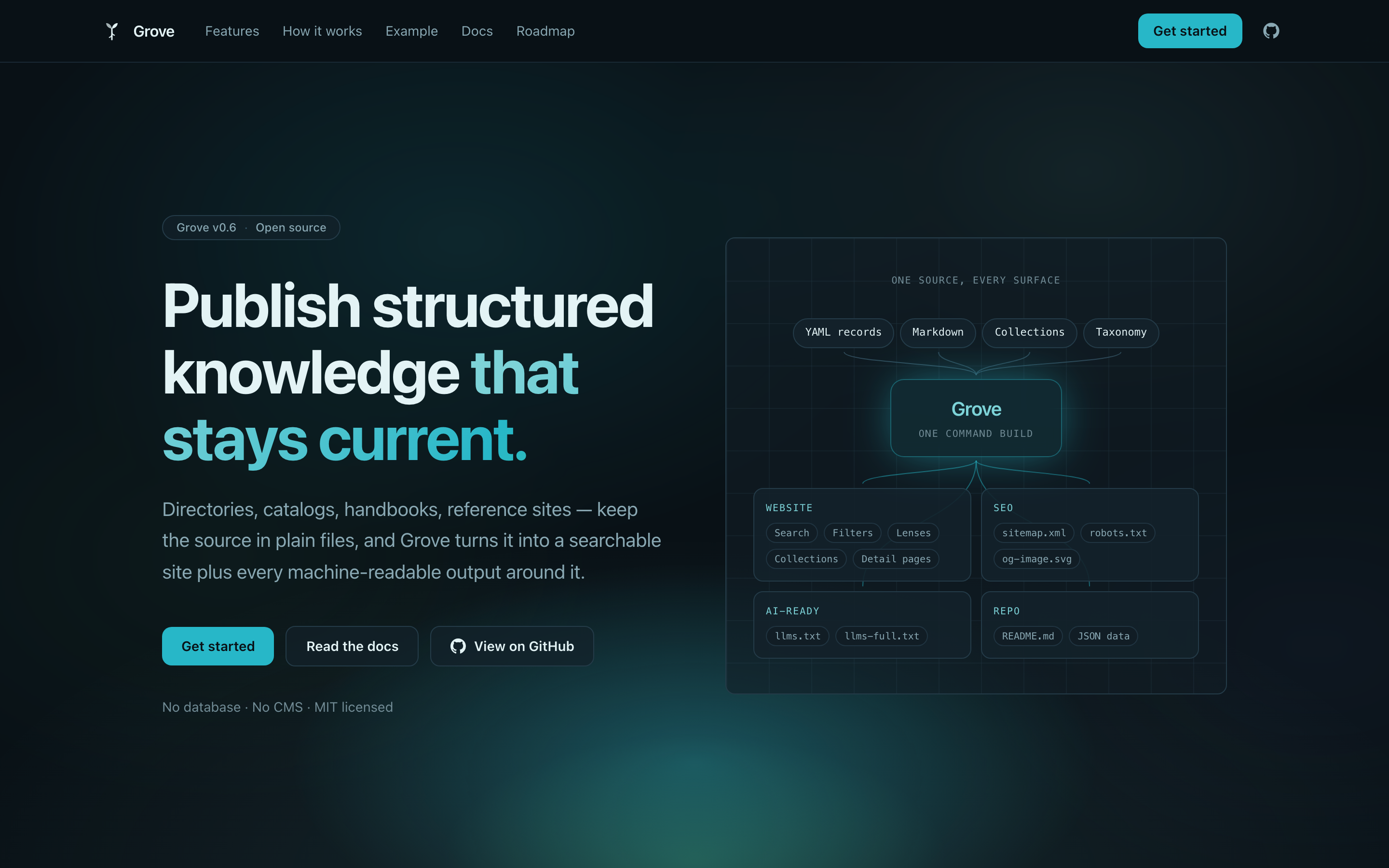
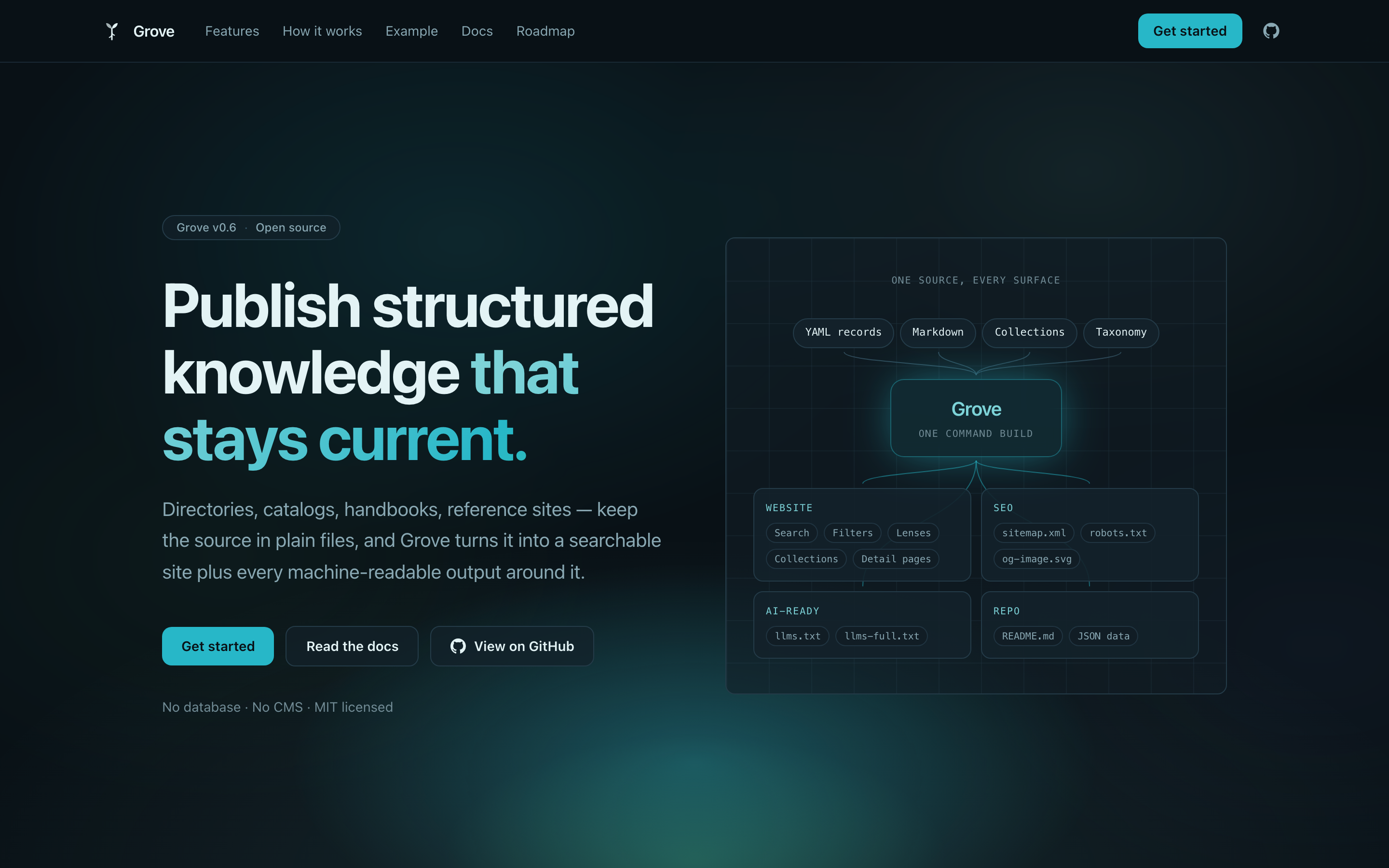
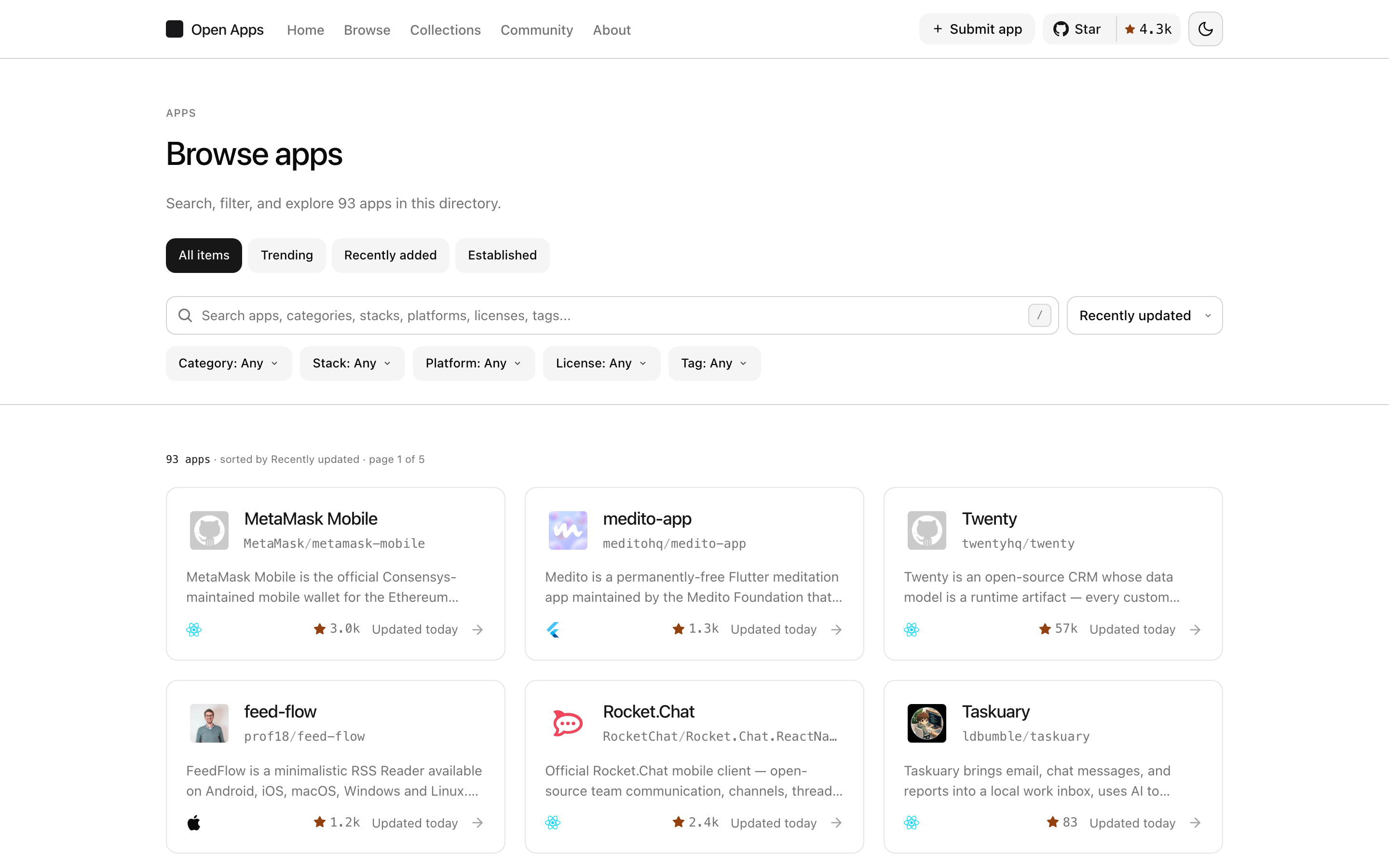
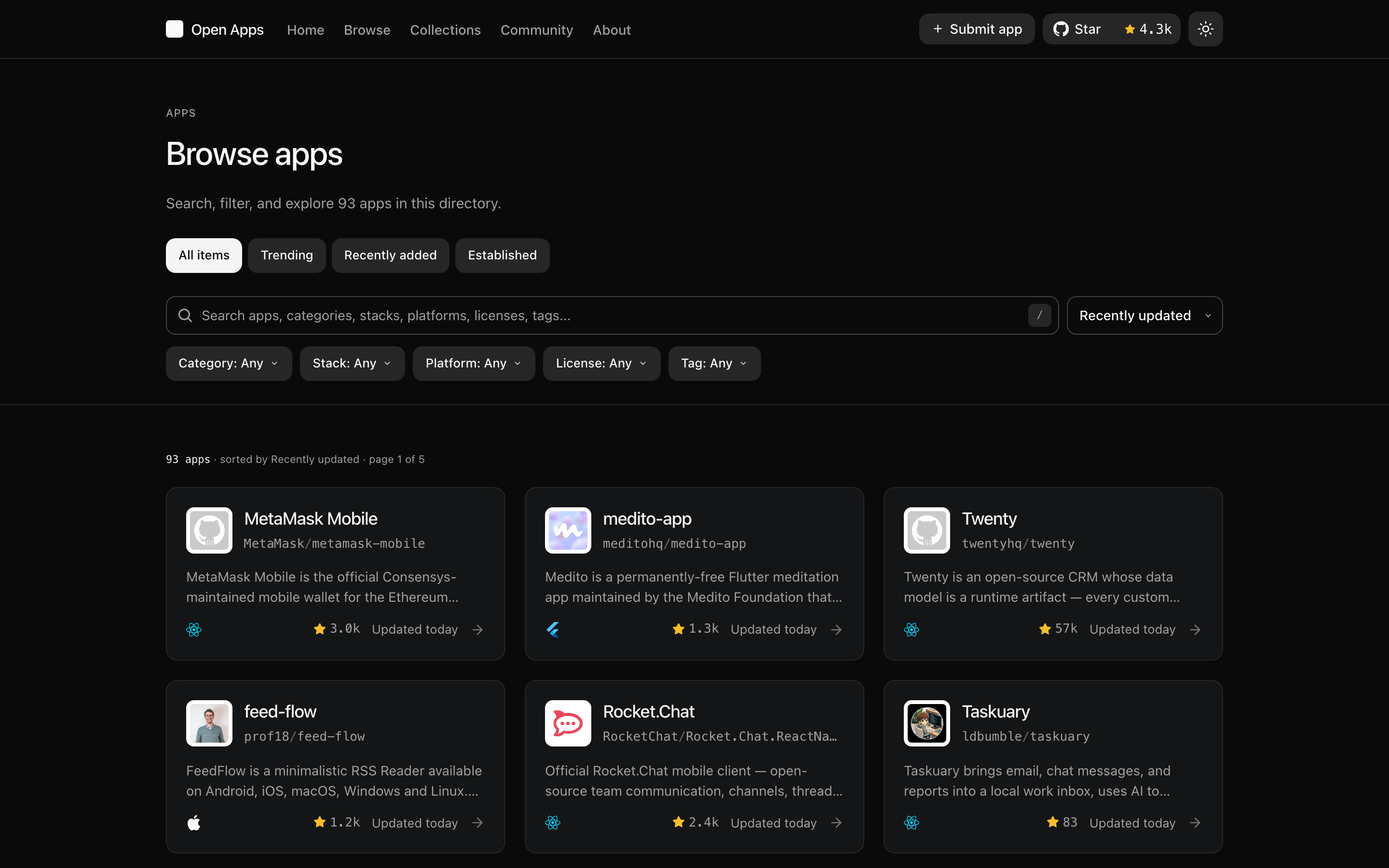
I build Intelligo, Grove, and Open App Scout.
Tech lead at zangia.mn. Previously Mazaal AI, Fleetbase, and banking systems for Khan Bank.
Building now
All projects →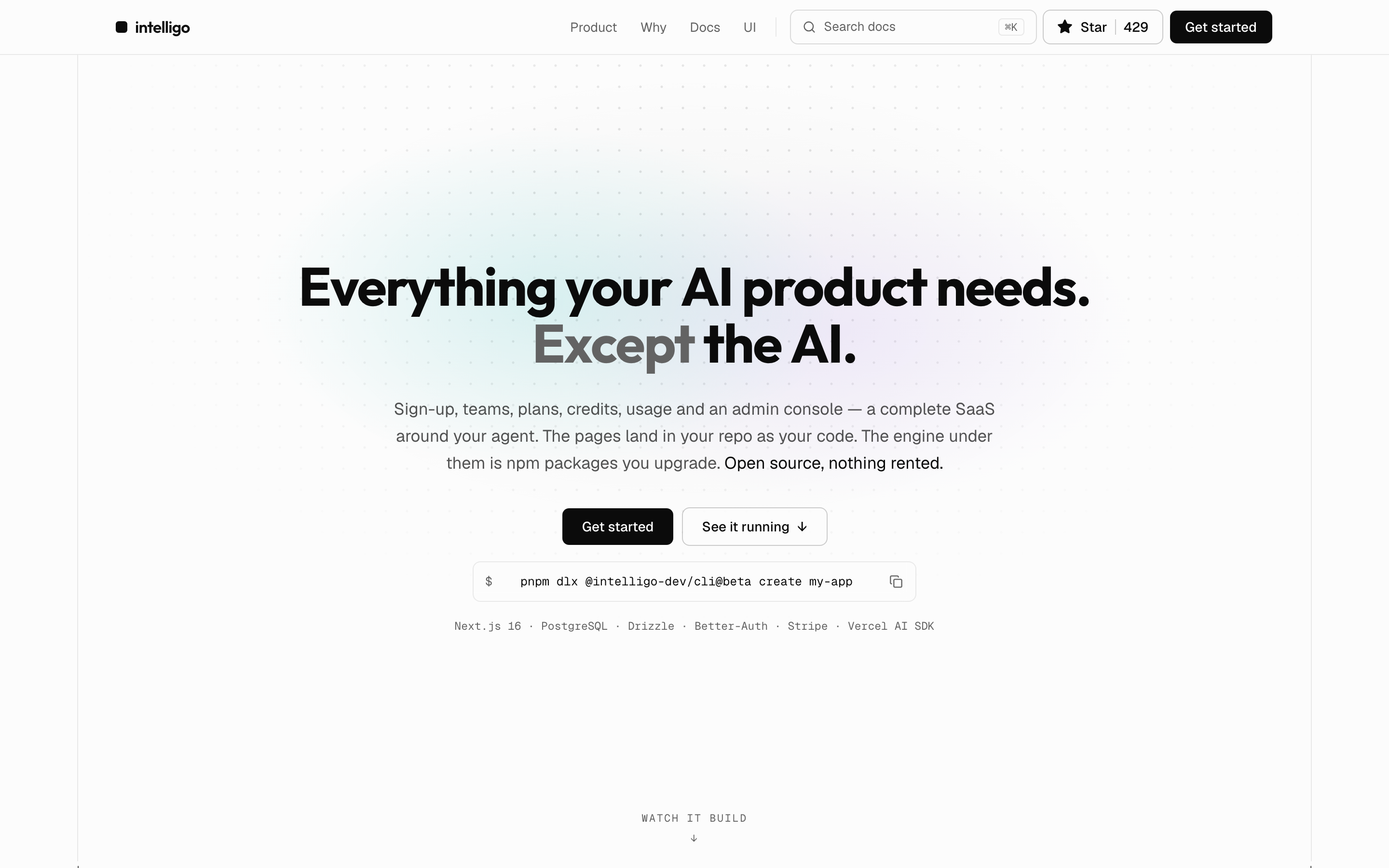
Work experience
- 2026–Present

Tech Lead
zangia.mn · Ulaanbaatar, Mongolia
Mongolia’s largest job board, where employers post and candidates apply.
- Developed the notification distribution system that delivers marketing notifications across a 1.2M-user base.
Projects
- Notification Distribution System
- zangia.mn
- 2024–2026

Software Architect
Mazaal AI · Sydney, Australia
Pivoted the company from workflow-automation to an AI-first agentic platform. Designed and implemented the core architecture for an agent platform with knowledge, tools and automation.
- Led technical architecture end-to-end
- Built RAG and knowledge retrieval system
- Designed agent builder and MCP integration layer
- Architected vertical AI agents for fintech, logistics, HR
- AWS infrastructure, CI/CD, monitoring and reliability
- Shipped from pivot to production
- Enabled multiple vertical agent solutions
- Scalable, modular architecture for fast iteration
Projects
- AI Agent Platform
- Knowledge Base & RAG
- Agent Builder
- MCP & Tool Layer
- Business Automation
Stack
- Node.js
- TypeScript
- Next.js
- React
- Python
- LLM APIs
- RAG
- MCP
- PostgreSQL
- AWS
- 2023–2024

Senior Software Engineer
Fleetbase · San Francisco, USA
Open-source logistics platform with multiple services, mobile apps and a large contributor base. Worked across core backend, SDK and mobile driver app used in logistics operations.
- Engineered core backend services in Laravel & PHP
- Built Node.js SDK for cross-platform integrations
- Built React Native driver app with real-time tracking
- Worked across 10+ repositories
- Reviewed PRs and mentored contributors
- Active OSS project with global community
- SDK adopted by multiple integrations
- Real-time tracking and dispatch at scale
Projects
- Fleetbase Core (Backend)
- Node.js SDK
- Driver App (React Native)
- Dispatch & Routing
- GPS Tracking
Stack
- Laravel
- PHP
- Node.js
- TypeScript
- React Native
- Ember.js
- PostgreSQL
- Redis
- AWS
- 2023–2024

CTO
Tixy Digital LLC · Ulaanbaatar, Mongolia
tixy.mn — a cloud-based event management platform. Owned the platform architecture and led the engineering team from design to launch.
- Owned technical direction and architecture
- Led and grew the engineering team
- Took the platform from design to launch
Projects
- Event Management Platform
- 2019–2023

Senior Software Engineer
Chinggis Systems · Ulaanbaatar, Mongolia
Digital banking systems for Khan Bank and internal platform modernization. Delivered multiple customer-facing and internal systems while leading the migration to microservices.
- Delivered full-stack features and services
- Migrated legacy Java/Spring monolith to microservices
- Designed system architecture and database models
- Introduced React, Next.js, Node.js, NestJS, GraphQL
- Led code reviews, sprint planning and mentorship
- Built CI/CD and deployed to AWS
- Completed microservices migration within a year
- Multiple production systems serving thousands of users
- Modern engineering practices adopted across the org
Projects
- Khan Bank Corporate Portal
- Internet Banking
- Customer Verification
- Online Branch
- Amarnom
- Datasource.mn
Stack
- Java
- Spring Boot
- React
- Next.js
- Node.js
- NestJS
- GraphQL
- PostgreSQL
- AWS
- Docker
- 2018–2019

Software Developer
DICULT Co., Ltd · Morioka, Japan
E-commerce platform for art collectors and artists in the Japanese market. Built a full-stack marketplace with auction, sales and gallery management.
- Designed and built backend and frontend
- Implemented payment, auction and inventory
- Deployed and operated the platform
- Production platform
- Connects art collectors and artists in Japan
Projects
- E-commerce Platform
- Auction System
- Artwork Sales
- Gallery Management
Stack
- Node.js
- MongoDB
- Vue.js
- AWS
- 2017–2018

Full-stack & Mobile Developer
BTGT LLC · Ulaanbaatar, Mongolia
Sales-distribution system for Mongolian enterprises. Built web and mobile apps to streamline distribution from manufacturers to retail outlets.
- Full-stack and mobile development
- Worked on B2B web application modules
- Built Android app for field operations
- Used by enterprise companies nationwide
- Improved delivery and reporting efficiency
Projects
- Sales-Distribution System
- Mobile App (Android)
- B2B Web App
Stack
- Java
- Kotlin
- JavaScript
- MySQL
- 2017

IT Specialist
Mongolian Academy of Sciences · Ulaanbaatar, Mongolia
Digitalizing research and administrative processes. Contributed to the official web portal (ac.mn).
- Developed and maintained systems
- Digitised paper-based processes
- Internal systems used by researchers and staff
Projects
- AC Website
- ERP System
Stack
- PHP
- MySQL
- JavaScript
Education
- 2019

Master’s in Computer Science
Humanities University · Ulaanbaatar, Mongolia
- 2018

Master’s in Software Engineering
Iwate University · Morioka, Japan
- 2016

Bachelor’s in Software Engineering
University of Science and Technology · Ulaanbaatar, Mongolia